
If you live in WA, you already know how much we love outdoor living. Long summer evenings, weekend barbies, and entertaining mates under the patio are part of life here. That’s exactly why outdoor kitchens Perth homeowners are investing in have become more than just a trend — they’re a lifestyle upgrade. But planning an outdoor kitchen isn’t as simple as placing a BBQ under a pergola. Done right, it adds value to your home, improves functionality, and transforms how you entertain. Done poorly, it becomes an expensive regret. After years working with homeowners designing functional kitchen spaces suited to Australian conditions, I’ve seen what works — and what definitely doesn’t. Here’s everything you need to know before you start building.
Why Outdoor Kitchens in Perth Are So Popular
Perth’s climate is ideal for outdoor entertaining. With over 3,000 hours of sunshine annually, it makes sense to extend your living space outdoors. An outdoor kitchen allows you to:
• Cook and entertain without running inside constantly
• Keep heat out of your indoor kitchen during summer
• Increase property value
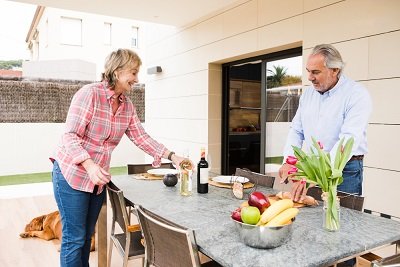
• Create a central hub for family gatherings
However, success depends on smart planning.
Step 1: Understand Your Purpose and Lifestyle
Before choosing appliances or materials, ask yourself:
• Will this be for occasional entertaining or daily use?
• Do you host large gatherings regularly?
• Do you want a simple BBQ setup or a full outdoor culinary station?
Real-Life Scenario
A family in northern Perth installed a high-end pizza oven and multiple fridges, only to realise they mainly use a standard BBQ and esky during gatherings. Overcapitalising is common when there’s no clear plan. Start with how you actually live.
Step 2: Choose the Right Location
Location impacts usability, comfort and long-term durability.
Consider:
• Wind direction (Fremantle Doctor can affect cooking flames)
• Sun exposure
• Proximity to indoor kitchen
• Access to plumbing and electricity
• Council regulations
In Perth, coastal homes must also consider salt exposure, which accelerates corrosion. Stainless steel must be marine-grade (316) if you’re near the coast.
Step 3: Plan the Layout Properly
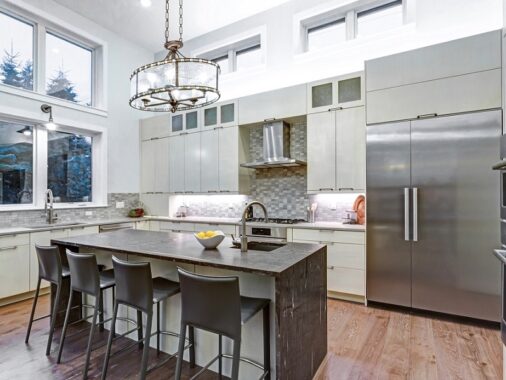
A functional outdoor kitchen follows the same principles as indoor kitchen design — workflow matters.
The Outdoor Kitchen Work Triangle
Ensure practical flow between:
• Cooking area (BBQ, grill, pizza oven)
• Preparation space
• Fridge or storage
Common Layout Options
| Layout Type | Best For | Pros | Cons |
| Straight Line | Small patios | Affordable, compact | Limited prep space |
| L-Shape | Medium areas | Good separation of zones | Needs more space |
| U-Shape | Large entertaining areas | Maximum prep & storage | Higher cost |
| Island Style | Open alfresco | Social & interactive | Requires larger footprint |
| If you’re unsure, consult professionals experienced in outdoor kitchens Perth designs, such as the team at https://www.joycekitchens.com.au/ who understand WA climate requirements and functional planning. |
Step 4: Select Durable Materials for WA Conditions
Outdoor kitchens in Perth must withstand:
• Intense UV exposure
• Heat waves
• Heavy winter rains
• Coastal salt air
Recommended Materials
• Marine-grade stainless steel cabinetry
• Porcelain or granite benchtops
• Powder-coated aluminium frames
• Weather-resistant stone cladding
Avoid MDF or untreated timber — they won’t survive long outdoors.
Step 5: Appliance Selection – What Do You Really Need?
It’s easy to get carried away. Focus on essentials first.
Core Appliances
• Built-in BBQ (gas is most common in Perth)
• Outdoor fridge
• Sink with proper drainage
Optional Upgrades
• Pizza oven
• Teppanyaki plate
• Smoker
• Wine fridge
• Ice maker
Pros and Cons of Going “All In”
Pros:
• Impressive entertaining space
• Increased resale value
• Full outdoor cooking experience
Cons:
• Higher upfront cost
• Increased maintenance
• Potential underuse
Step 6: Don’t Forget Utilities
Gas
Licensed plumber required. Ensure proper ventilation and compliance.
Electricity
Weatherproof power points are essential. Consider lighting, fans, and heating for year-round use.
Plumbing
Drainage must be properly designed to avoid water pooling during winter storms.
Step 7: Think About Shelter and Comfort
An outdoor kitchen without adequate cover will age quickly.
Options include:
• Insulated patio roofing
• Pergolas with retractable blinds
• Ceiling fans
• Outdoor heaters
Comfort determines how often the space is actually used.
Step 8: Budget Realistically
Outdoor kitchens Perth homeowners install typically range from $8,000 for basic setups to $35,000+ for premium installations.
Budget Breakdown Example
| Component | Approximate Cost Range |
| Built-in BBQ | $2,000 – $6,000 |
| Cabinetry | $3,000 – $12,000 |
| Stone Benchtops | $2,500 – $8,000 |
| Plumbing & Electrical | $2,000 – $5,000 |
| Plan for contingency funds (10–15%). Unexpected ground works or council approvals can increase costs. |
Step 9: Council Regulations in Perth
Depending on structure size and roofing, permits may be required. Always check with your local council before construction. Non-compliant builds can cause issues during property sales.
Outdoor Kitchen Planning Checklist
Before committing, ensure you have:
✔ Defined purpose and usage
✔ Selected durable materials
✔ Confirmed utility access
✔ Checked council requirements
✔ Allocated contingency budget
✔ Planned for weather protection
✔ Considered long-term maintenance
Maintenance Tips for Longevity
Outdoor kitchens need regular care, especially in WA conditions.
• Clean stainless steel weekly near coastal areas
• Seal stone benchtops annually
• Cover appliances when not in use
• Inspect plumbing before winter
Routine maintenance protects your investment.
Frequently Asked Questions
Are outdoor kitchens worth it in Perth?
Yes, particularly given Perth’s climate. When designed properly, they enhance lifestyle and can increase property appeal and resale value.
What is the best material for outdoor kitchen cabinets?
Marine-grade stainless steel or powder-coated aluminium perform best in WA’s heat and coastal conditions.
Do I need council approval for an outdoor kitchen in Perth?
It depends on structure size and roofing. Freestanding BBQ setups usually don’t require approval, but larger built-in structures often do. Always check with your local council.
How much space do I need?
A functional outdoor kitchen typically requires at least 3 metres of linear space. Larger entertaining areas benefit from L-shape or island layouts.
Can outdoor kitchens be used year-round in Perth?
Yes, with proper shelter, heating and ventilation. Ceiling fans help in summer, while infrared heaters extend use into cooler months.
Final Thoughts: Plan Smart, Build Once
Outdoor kitchens Perth homeowners invest in should be practical, durable and tailored to how they actually entertain. The biggest mistake I see is prioritising appearance over function. Focus on layout, materials and realistic usage first — aesthetics can follow. If you’re planning to upgrade your outdoor living space, take the time to design it properly. Seek experienced professionals who understand WA’s climate challenges and compliance requirements. When done right, an outdoor kitchen isn’t just another renovation — it becomes the heart of your home’s outdoor lifestyle.